
Product Center
Xueda Group is a large, diversified enterprise conglomerate primarily engaged in the production of mid- to high-end knitted apparel, with operations spanning knitted garment manufacturing, international trade, automotive maintenance, financial investment, and public utilities.
Scroll Down

Undergarments refer to clothing worn directly next to the skin, including vests, undershirts, shorts, bras, and the like. Underwear is defined as garments worn beneath other layers of clothing; it typically comes into direct contact with the skin and has become an indispensable part of modern attire. Underwear serves functions such as absorbing sweat, providing body shaping and support, retaining warmth, and protecting the body from external contaminants; at times, it is even regarded as a symbol of sexuality. Certain types of underwear also carry religious connotations. During the Han dynasty, undergarments were known as “heart clothes”; in the Two Jin period, they were called “two flaps”; in the Tang dynasty, “inner middle and undergarments”; in the Song dynasty, “chest wraps”; in the Ming dynasty, “skirt braces” (main waist); and in the Qing dynasty, “belly guards.”

Undergarments refer to clothing worn directly next to the skin, including vests, undershirts, shorts, bras, and the like. Underwear is defined as garments worn beneath other layers of clothing; it typically comes into direct contact with the skin and has become an indispensable part of modern attire. Underwear serves functions such as absorbing sweat, providing body shaping and support, retaining warmth, and protecting the body from external contaminants; at times, it is even regarded as a symbol of sexuality. Certain types of underwear also carry religious connotations. During the Han dynasty, undergarments were known as “heart clothes”; in the Two Jin period, they were called “two flaps”; in the Tang dynasty, “inner middle and undergarments”; in the Song dynasty, “chest wraps”; in the Ming dynasty, “skirt braces” (main waist); and in the Qing dynasty, “belly guards.”

Undergarments refer to clothing worn directly next to the skin, including vests, undershirts, shorts, bras, and the like. Underwear is defined as garments worn beneath other layers of clothing; it typically comes into direct contact with the skin and has become an indispensable part of modern attire. Underwear serves functions such as absorbing sweat, providing body shaping and support, retaining warmth, and protecting the body from external contaminants; at times, it is even regarded as a symbol of sexuality. Certain types of underwear also carry religious connotations. During the Han dynasty, undergarments were known as “heart clothes”; in the Two Jin period, they were called “two flaps”; in the Tang dynasty, “inner middle and undergarments”; in the Song dynasty, “chest wraps”; in the Ming dynasty, “skirt braces” (main waist); and in the Qing dynasty, “belly guards.”

Undergarments refer to clothing worn directly next to the skin, including vests, undershirts, shorts, bras, and the like. Underwear is defined as garments worn beneath other layers of clothing; it typically comes into direct contact with the skin and has become an indispensable part of modern attire. Underwear serves functions such as absorbing sweat, providing body shaping and support, retaining warmth, and protecting the body from external contaminants; at times, it is even regarded as a symbol of sexuality. Certain types of underwear also carry religious connotations. During the Han dynasty, undergarments were known as “heart clothes”; in the Two Jin period, they were called “two flaps”; in the Tang dynasty, “inner middle and undergarments”; in the Song dynasty, “chest wraps”; in the Ming dynasty, “skirt braces” (main waist); and in the Qing dynasty, “belly guards.”
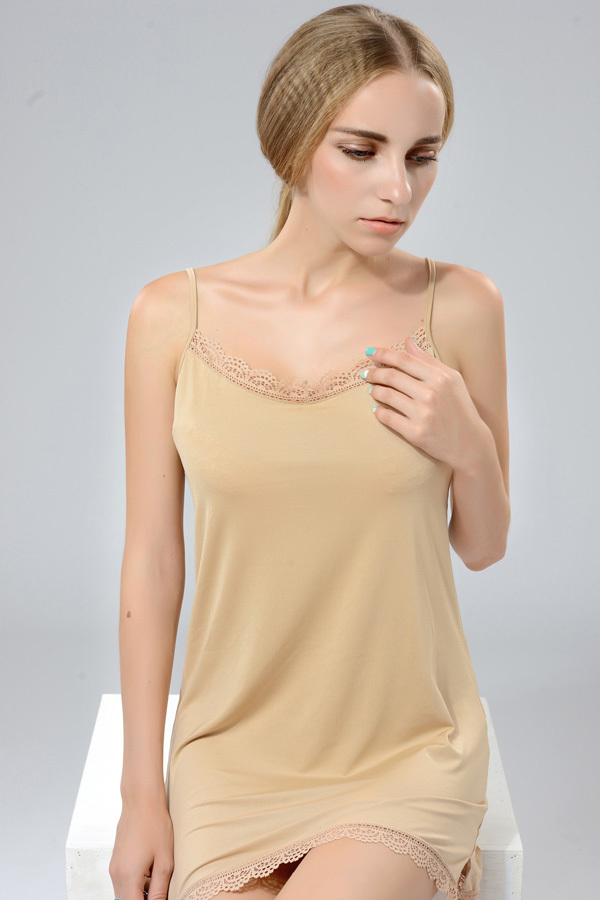
Undergarments refer to clothing worn directly next to the skin, including vests, undershirts, shorts, bras, and the like. Underwear is defined as garments worn beneath other layers of clothing; it typically comes into direct contact with the skin and has become an indispensable part of modern attire. Underwear serves functions such as absorbing sweat, providing body shaping and support, retaining warmth, and protecting the body from external contaminants; at times, it is even regarded as a symbol of sexuality. Certain types of underwear also carry religious connotations. During the Han dynasty, undergarments were known as “heart clothes”; in the Two Jin period, they were called “two flaps”; in the Tang dynasty, “inner middle and undergarments”; in the Song dynasty, “chest wraps”; in the Ming dynasty, “skirt braces” (main waist); and in the Qing dynasty, “belly guards.”

Undergarments refer to clothing worn directly next to the skin, including vests, undershirts, shorts, bras, and the like. Underwear is defined as garments worn beneath other layers of clothing; it typically comes into direct contact with the skin and has become an indispensable part of modern attire. Underwear serves functions such as absorbing sweat, providing body shaping and support, retaining warmth, and protecting the body from external contaminants; at times, it is even regarded as a symbol of sexuality. Certain types of underwear also carry religious connotations. During the Han dynasty, undergarments were known as “heart clothes”; in the Two Jin period, they were called “two flaps”; in the Tang dynasty, “inner middle and undergarments”; in the Song dynasty, “chest wraps”; in the Ming dynasty, “skirt braces” (main waist); and in the Qing dynasty, “belly guards.”
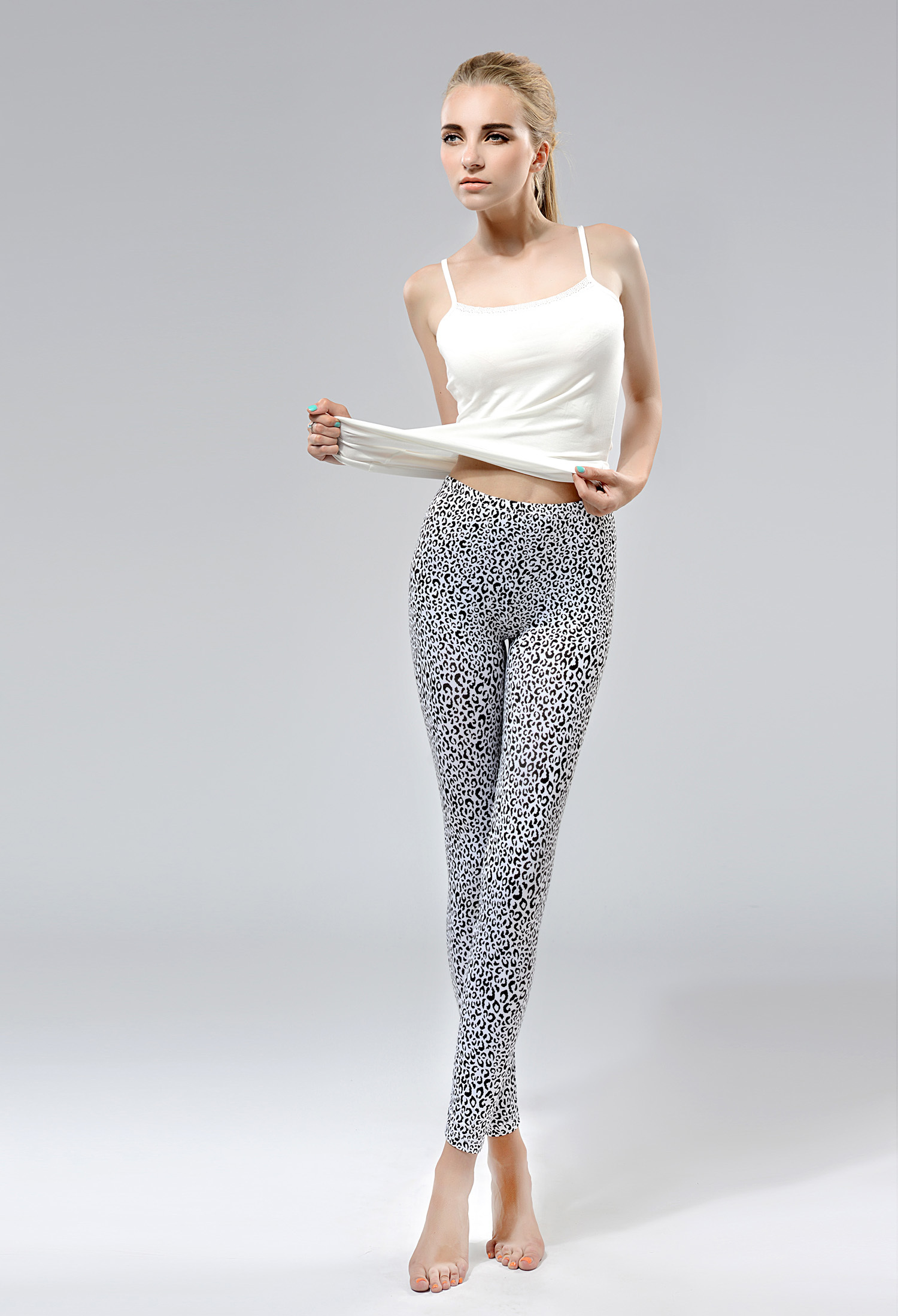
Undergarments refer to clothing worn directly next to the skin, including vests, undershirts, shorts, bras, and the like. Underwear is defined as garments worn beneath other layers of clothing; it typically comes into direct contact with the skin and has become an indispensable part of modern attire. Underwear serves functions such as absorbing sweat, providing body shaping and support, retaining warmth, and protecting the body from external contaminants; at times, it is even regarded as a symbol of sexuality. Certain types of underwear also carry religious connotations. During the Han dynasty, undergarments were known as “heart clothes”; in the Two Jin period, they were called “two flaps”; in the Tang dynasty, “inner middle and undergarments”; in the Song dynasty, “chest wraps”; in the Ming dynasty, “skirt braces” (main waist); and in the Qing dynasty, “belly guards.”

Undergarments refer to clothing worn directly next to the skin, including vests, undershirts, shorts, bras, and the like. Underwear is defined as garments worn beneath other layers of clothing; it typically comes into direct contact with the skin and has become an indispensable part of modern attire. Underwear serves functions such as absorbing sweat, providing body shaping and support, retaining warmth, and protecting the body from external contaminants; at times, it is even regarded as a symbol of sexuality. Certain types of underwear also carry religious connotations. During the Han dynasty, undergarments were known as “heart clothes”; in the Two Jin period, they were called “two flaps”; in the Tang dynasty, “inner middle and undergarments”; in the Song dynasty, “chest wraps”; in the Ming dynasty, “skirt braces” (main waist); and in the Qing dynasty, “belly guards.”

Undergarments refer to clothing worn directly next to the skin, including vests, undershirts, shorts, bras, and the like. Underwear is defined as garments worn beneath other layers of clothing; it typically comes into direct contact with the skin and has become an indispensable part of modern attire. Underwear serves functions such as absorbing sweat, providing body shaping and support, retaining warmth, and protecting the body from external contaminants; at times, it is even regarded as a symbol of sexuality. Certain types of underwear also carry religious connotations. During the Han dynasty, undergarments were known as “heart clothes”; in the Two Jin period, they were called “two flaps”; in the Tang dynasty, “inner middle and undergarments”; in the Song dynasty, “chest wraps”; in the Ming dynasty, “skirt braces” (main waist); and in the Qing dynasty, “belly guards.”
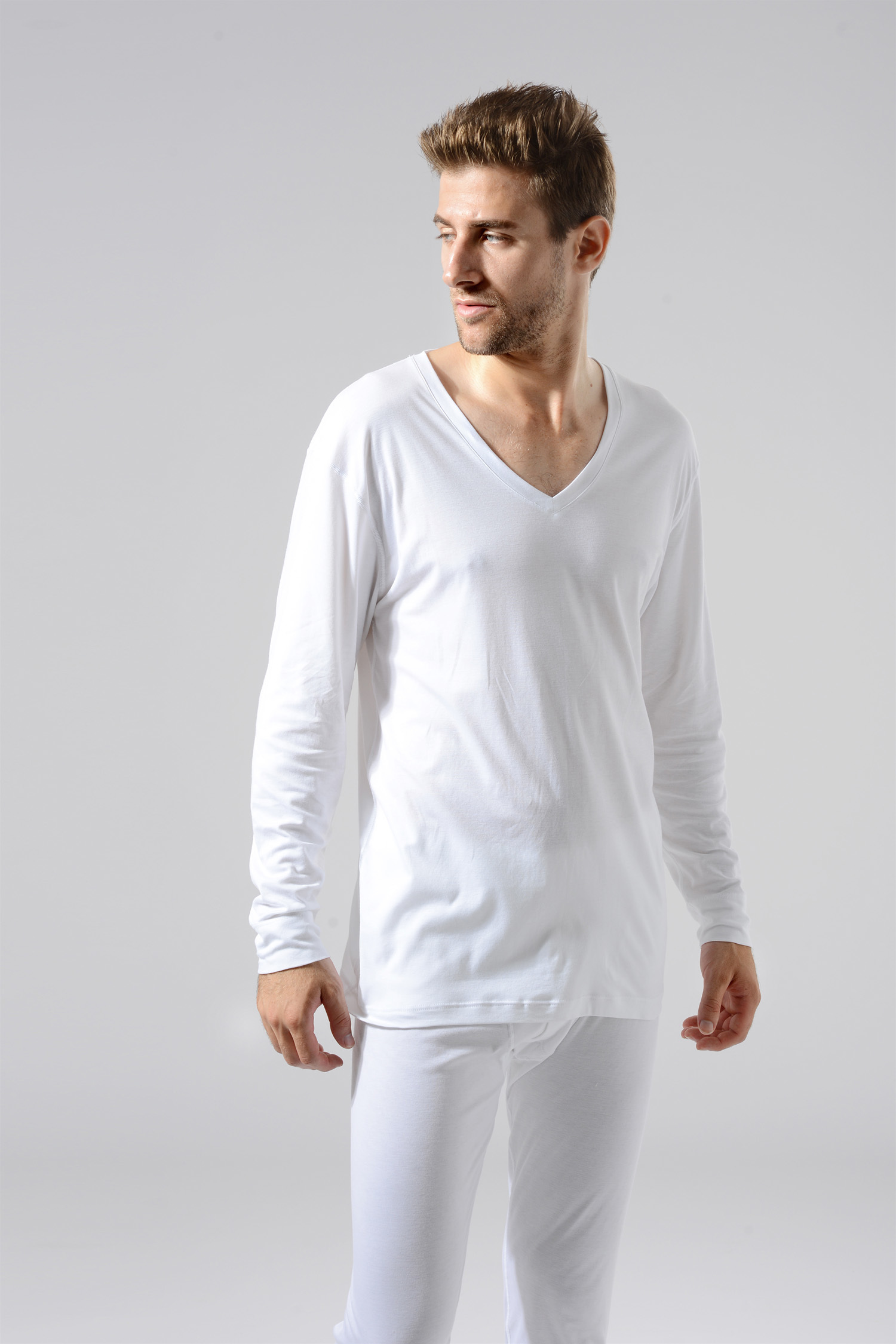
Undergarments refer to clothing worn directly next to the skin, including vests, undershirts, shorts, bras, and the like. Underwear is defined as garments worn beneath other layers of clothing; it typically comes into direct contact with the skin and has become an indispensable part of modern attire. Underwear serves functions such as absorbing sweat, providing body shaping and support, retaining warmth, and protecting the body from external contaminants; at times, it is even regarded as a symbol of sexuality. Certain types of underwear also carry religious connotations. During the Han dynasty, undergarments were known as “heart clothes”; in the Two Jin period, they were called “two flaps”; in the Tang dynasty, “inner middle and undergarments”; in the Song dynasty, “chest wraps”; in the Ming dynasty, “skirt braces” (main waist); and in the Qing dynasty, “belly guards.”

Undergarments refer to clothing worn directly next to the skin, including vests, undershirts, shorts, bras, and the like. Underwear is defined as garments worn beneath other layers of clothing; it typically comes into direct contact with the skin and has become an indispensable part of modern attire. Underwear serves functions such as absorbing sweat, providing body shaping and support, retaining warmth, and protecting the body from external contaminants; at times, it is even regarded as a symbol of sexuality. Certain types of underwear also carry religious connotations. During the Han dynasty, undergarments were known as “heart clothes”; in the Two Jin period, they were called “two flaps”; in the Tang dynasty, “inner middle and undergarments”; in the Song dynasty, “chest wraps”; in the Ming dynasty, “skirt braces” (main waist); and in the Qing dynasty, “belly guards.”
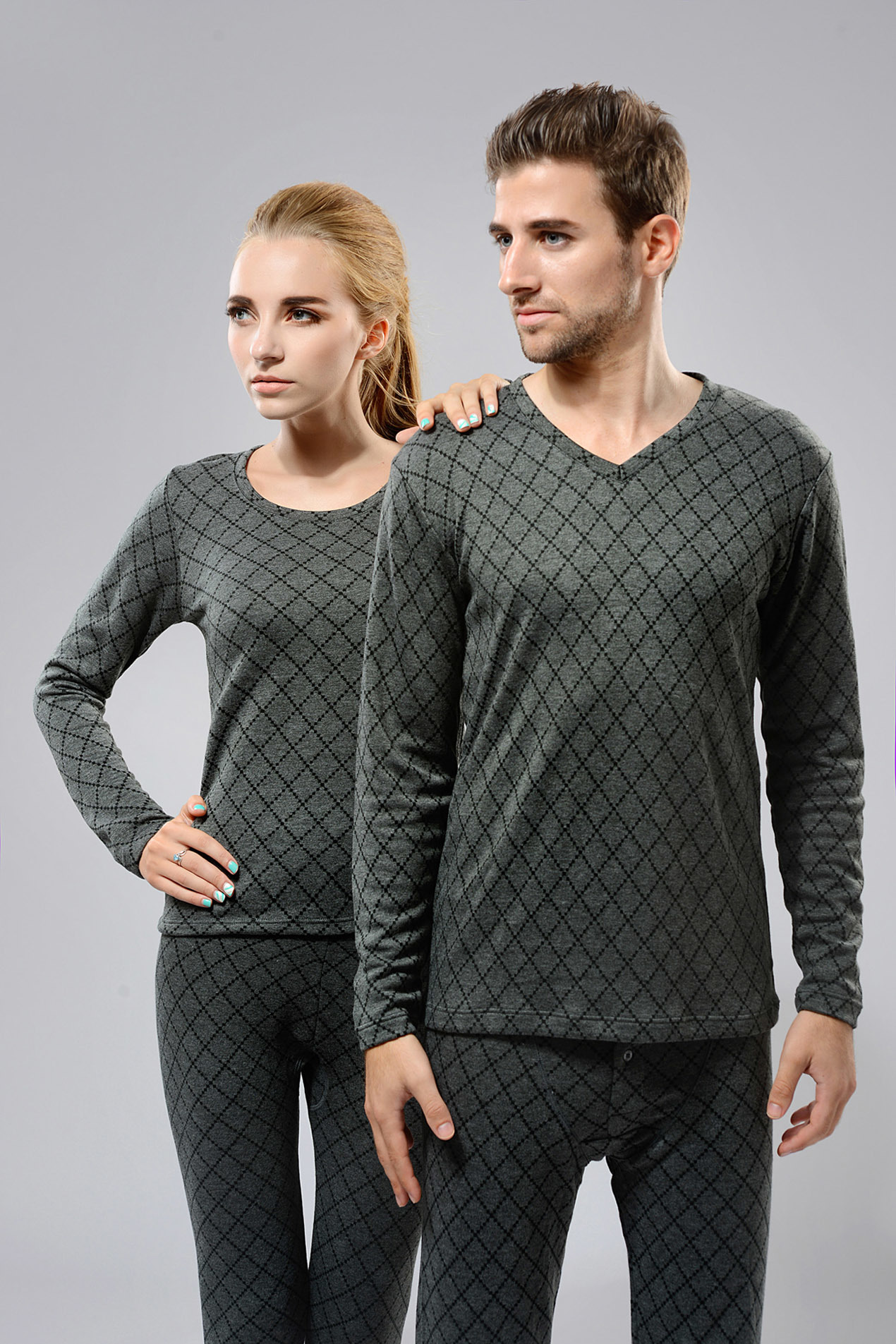
Undergarments refer to clothing worn directly next to the skin, including vests, undershirts, shorts, bras, and the like. Underwear is defined as garments worn beneath other layers of clothing; it typically comes into direct contact with the skin and has become an indispensable part of modern attire. Underwear serves functions such as absorbing sweat, providing body shaping and support, retaining warmth, and protecting the body from external contaminants; at times, it is even regarded as a symbol of sexuality. Certain types of underwear also carry religious connotations. During the Han dynasty, undergarments were known as “heart clothes”; in the Two Jin period, they were called “two flaps”; in the Tang dynasty, “inner middle and undergarments”; in the Song dynasty, “chest wraps”; in the Ming dynasty, “skirt braces” (main waist); and in the Qing dynasty, “belly guards.”


No. 33, Hongxing Road, Nanquan Town, Jimo City, Qingdao





Official website QR code